When Is the Right Time to Consider a Home Mobility Assessment?
A home mobility assessment may be worth considering when everyday tasks at home start to feel harder, less safe or more tiring than they used to. This could include struggling with stairs, feeling unsteady in the bathroom, finding it difficult to get in and out of chairs, or avoiding parts of the home because movement has become uncomfortable.
For many people, the right time is not when a serious fall or accident has already happened. It is often much earlier, when small changes in mobility begin affecting confidence, independence or peace of mind.
The Clearest Signs A Home Mobility Assessment Could Help
A home mobility assessment can help identify practical changes that make daily life safer and easier. It may be useful if you or a loved one is starting to notice:
- Difficulty using the stairs
- Feeling unsafe getting in or out of the bath
- Holding onto furniture for support
- Struggling to stand from a chair or bed
- Avoiding certain rooms
- Worrying about falls
- Feeling tired after small movements around the home
- Returning home after illness, injury or hospital treatment
- A recent change in health, strength or balance
The aim is not to make unnecessary changes. It is to understand what is becoming difficult and recommend suitable support before small issues become bigger risks.
What Is A Home Mobility Assessment?
A home mobility assessment is a practical review of how safely and comfortably someone can move around their home.
It usually looks at key areas such as stairs, bathrooms, entrances, seating, bedrooms and everyday walking routes. The assessor may consider where the person feels least confident, what movements are most difficult and what equipment or adaptations could help.
This may lead to recommendations such as:
- A stairlift
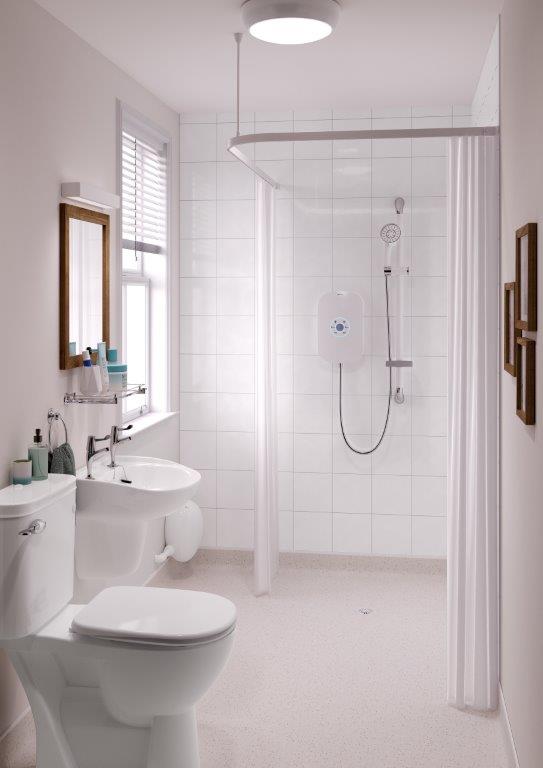
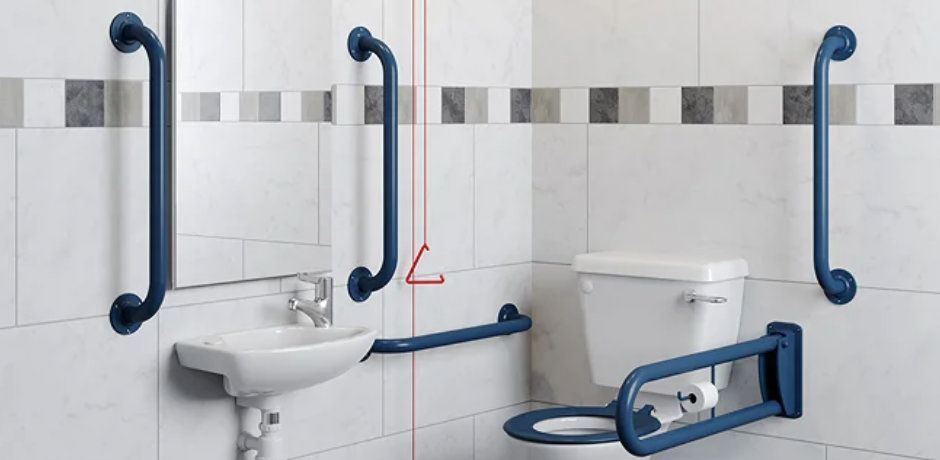
- Safer bathroom access or a wet room
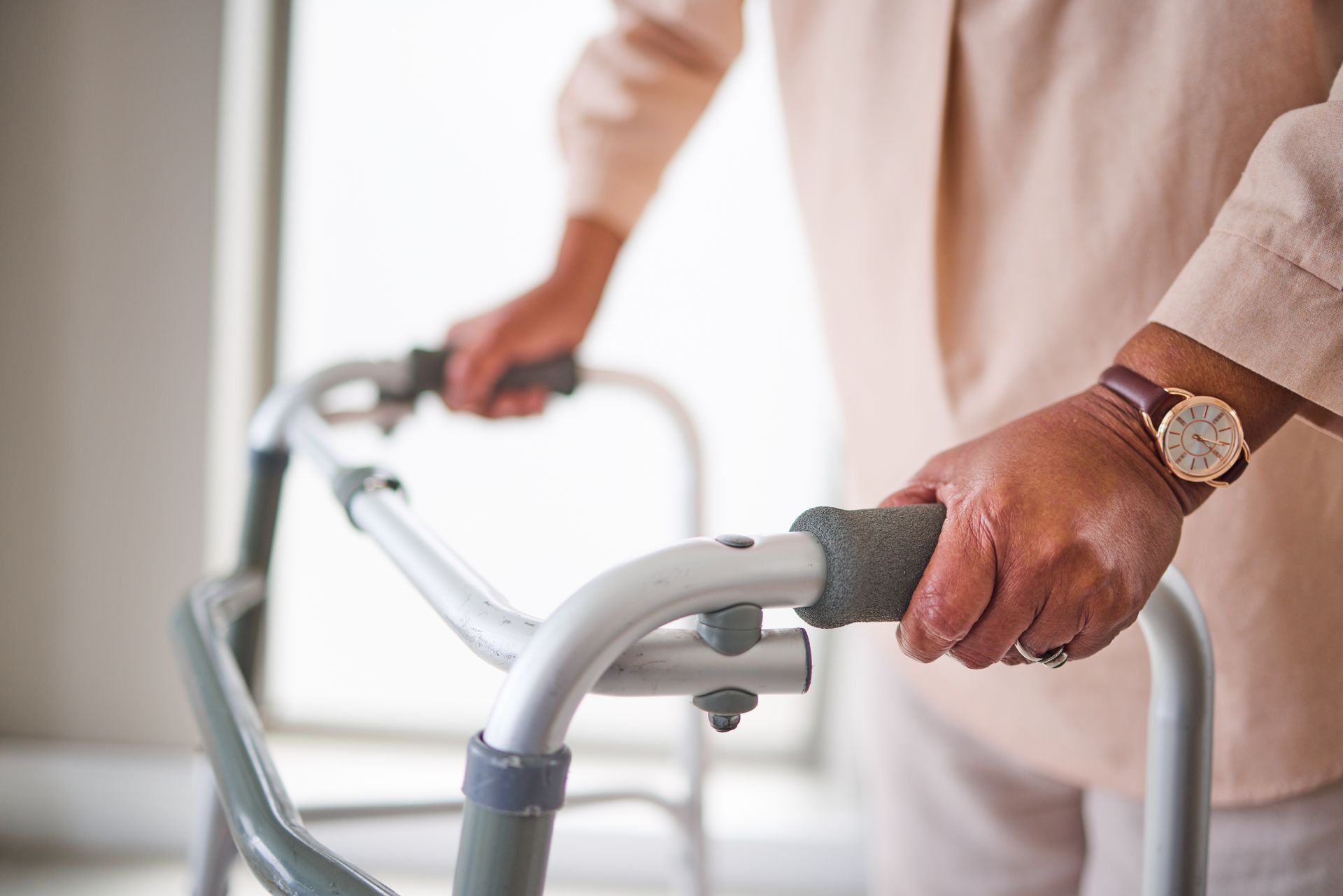
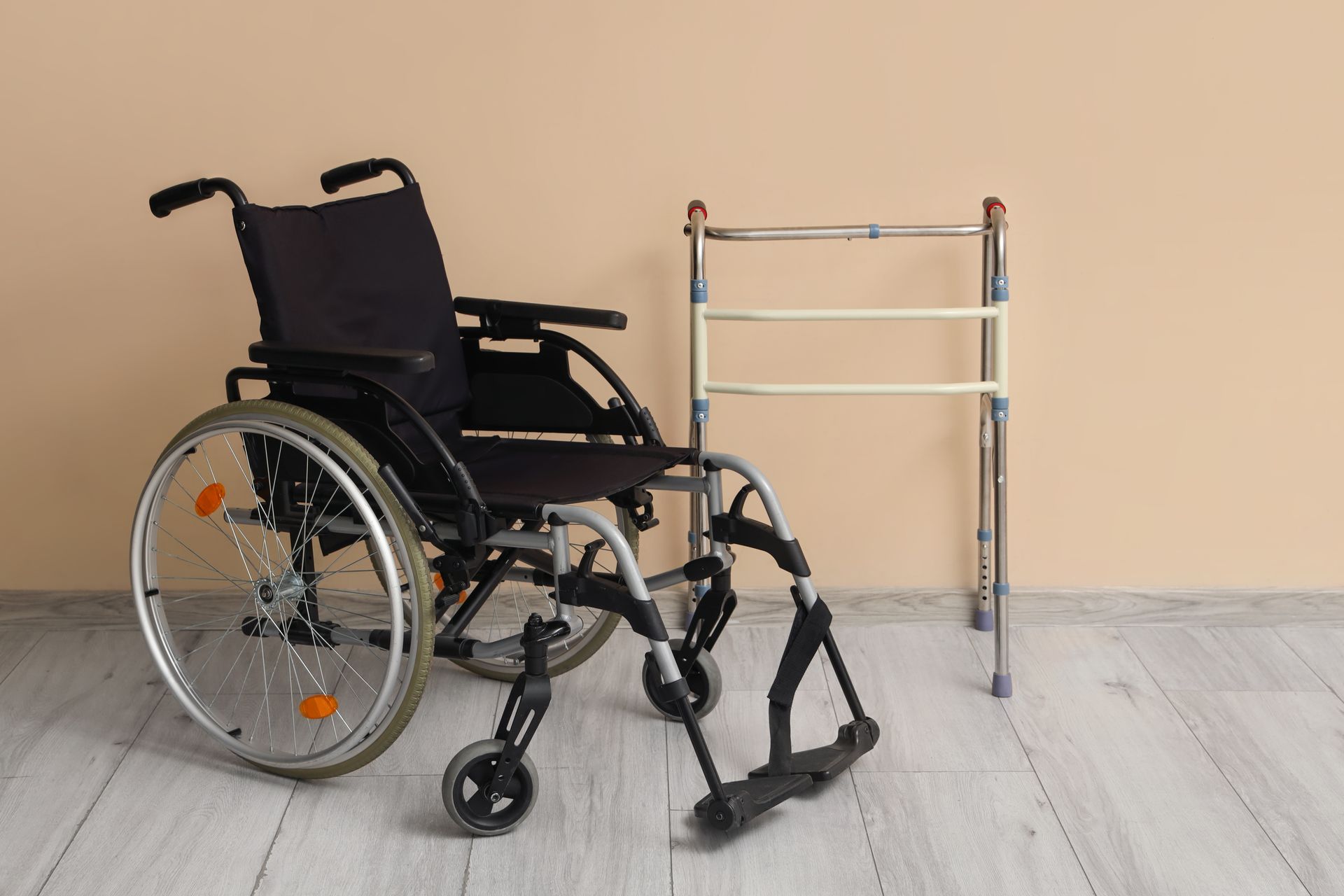
- Walking aids or mobility aids
- A riser recliner chair
- A profiling bed
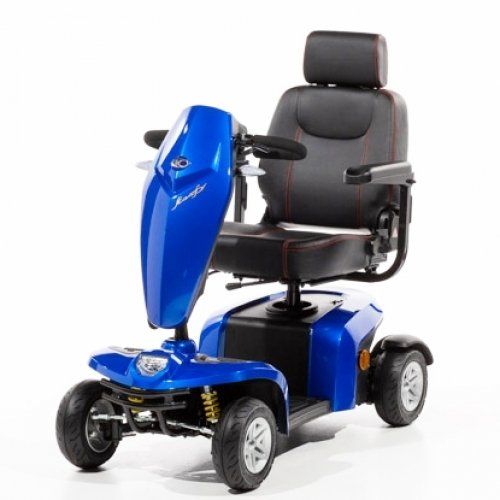
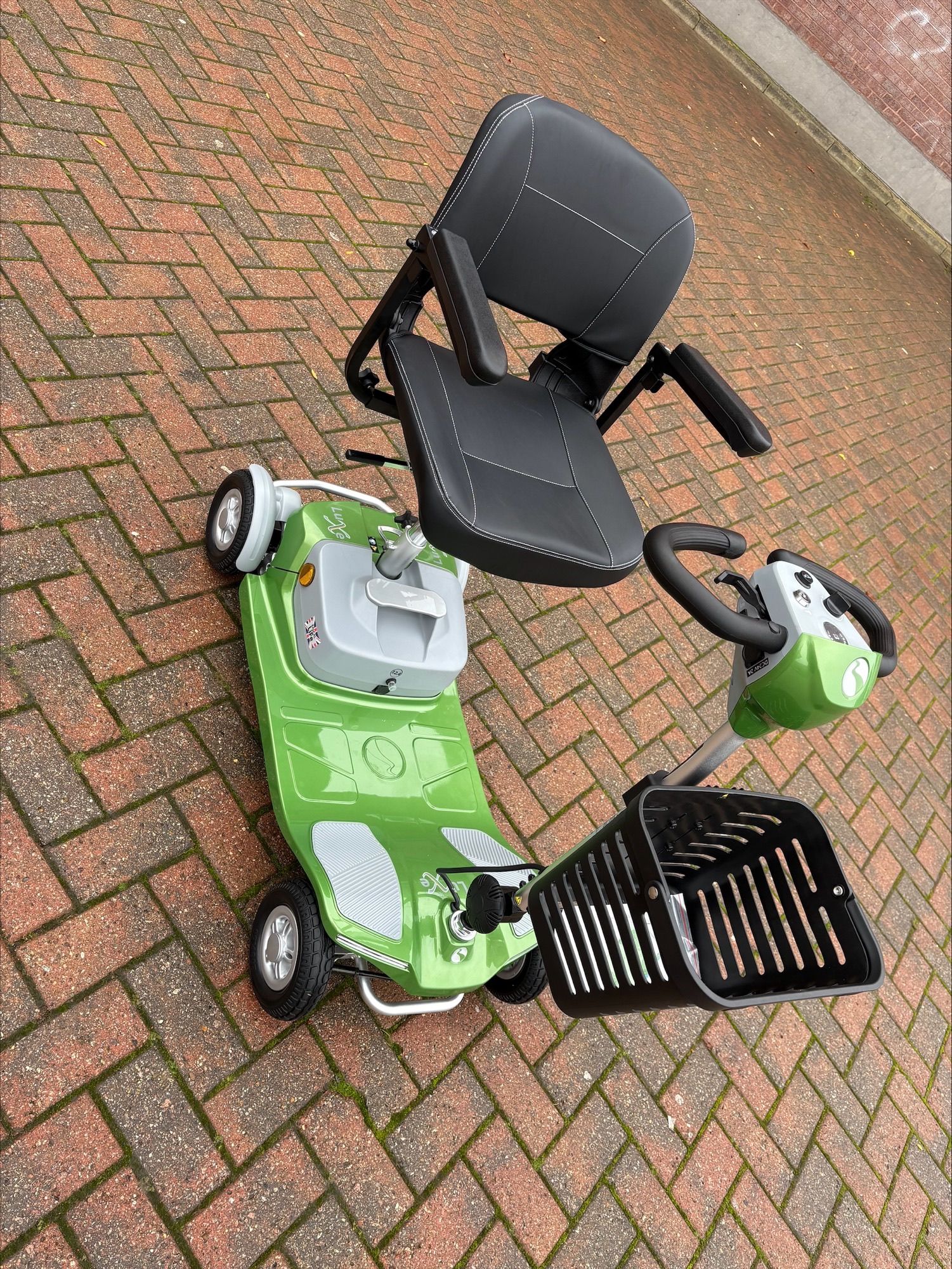
- A mobility scooter or powerchair
- Smaller daily living aids
- Repairs or servicing for existing mobility equipment
When Small Daily Struggles Start To Build Up
Reduced mobility often changes gradually. Someone may start by taking longer to climb the stairs, avoiding the bath, or sitting down more often between tasks.
These changes can be easy to dismiss at first, especially if the person is still managing. However, a home mobility assessment can be helpful at this stage because it focuses on prevention, comfort and confidence.
For example, if standing from a chair is becoming difficult, a riser recliner chair may reduce strain. If walking to the bathroom at night feels unsafe, small adjustments or mobility aids may improve confidence. If stairs are becoming tiring, discussing stairlift options early can help avoid rushed decisions later.
After A Fall, Near Miss Or Loss Of Confidence
A fall does not always result in injury, but it can affect confidence. Even a near miss can make someone nervous about moving around the home.
This is often a strong sign that an assessment is needed. The goal is to understand where the risk occurred and whether the home environment could be made safer.
Common areas to review include:
- Loose rugs or trip hazards
- Bathroom access
- Stair safety
- Poor lighting
- Narrow walkways
- Difficult thresholds
- Unsuitable seating
- Lack of hand support in key areas
A professional assessment can help identify practical solutions rather than relying on guesswork.
When Stairs Become A Daily Concern
Stairs are one of the most common reasons people consider a home mobility assessment.
Warning signs include:
- Taking stairs one step at a time
- Needing both hands on the bannister
- Feeling breathless or tired halfway up
- Avoiding upstairs rooms
- Coming downstairs feeling unsafe
- Family members worrying about stair use
A stairlift is not always the only answer, but it may be one of the options discussed during an assessment. The right advice will depend on the staircase, the person’s mobility and how they use the home.
You can learn more about available options on the stairlifts page.
When The Bathroom Starts To Feel Unsafe
Bathrooms can become difficult because they involve wet surfaces, limited space and awkward movements.
A home mobility assessment may be useful if someone is:
- Struggling to step into the bath
- Feeling unsteady in the shower
- Needing support when using the toilet
- Avoiding bathing due to fear of slipping
- Finding it hard to stand for long enough
- Relying heavily on another person for help
Possible recommendations may include grab rails, shower seating, raised toilet aids, non-slip flooring, walk-in shower access or a full wet room adaptation.
For more details, J&D Mobility also has a guide on bathroom adaptations that can help you stay independent at home.
When Health Or Mobility Needs Change
A home mobility assessment can also be useful after a diagnosis, injury, surgery or hospital stay.
Changes in mobility may affect how someone moves through the home, even if the property was previously suitable. In these situations, an assessment can help families plan calmly and choose support that fits the person’s current needs.
This may include short-term equipment, longer-term adaptations, or advice on whether existing equipment remains suitable.
When Family Members Start To Feel Concerned
Sometimes the person experiencing reduced mobility may not be the first to notice the risk. A loved one may see changes such as slower movement, hesitation on stairs, or increased reliance on furniture.
A home mobility assessment can help turn concern into a practical plan. It gives families a clearer understanding of what support may be helpful, without making assumptions or buying unsuitable equipment.
It can also reduce pressure on carers by making everyday routines safer and more manageable.
What Happens During A Home Mobility Assessment?
A home mobility assessment is usually straightforward and focused on real daily routines.
The assessor may:
- Ask about current mobility challenges
- Look at stairs, bathrooms, bedrooms and living areas
- Review entrances and access points
- Discuss existing equipment
- Consider future needs
- Recommend suitable mobility equipment or adaptations
- Explain next steps clearly
The best assessments are practical, personal and focused on the individual, not just the property.
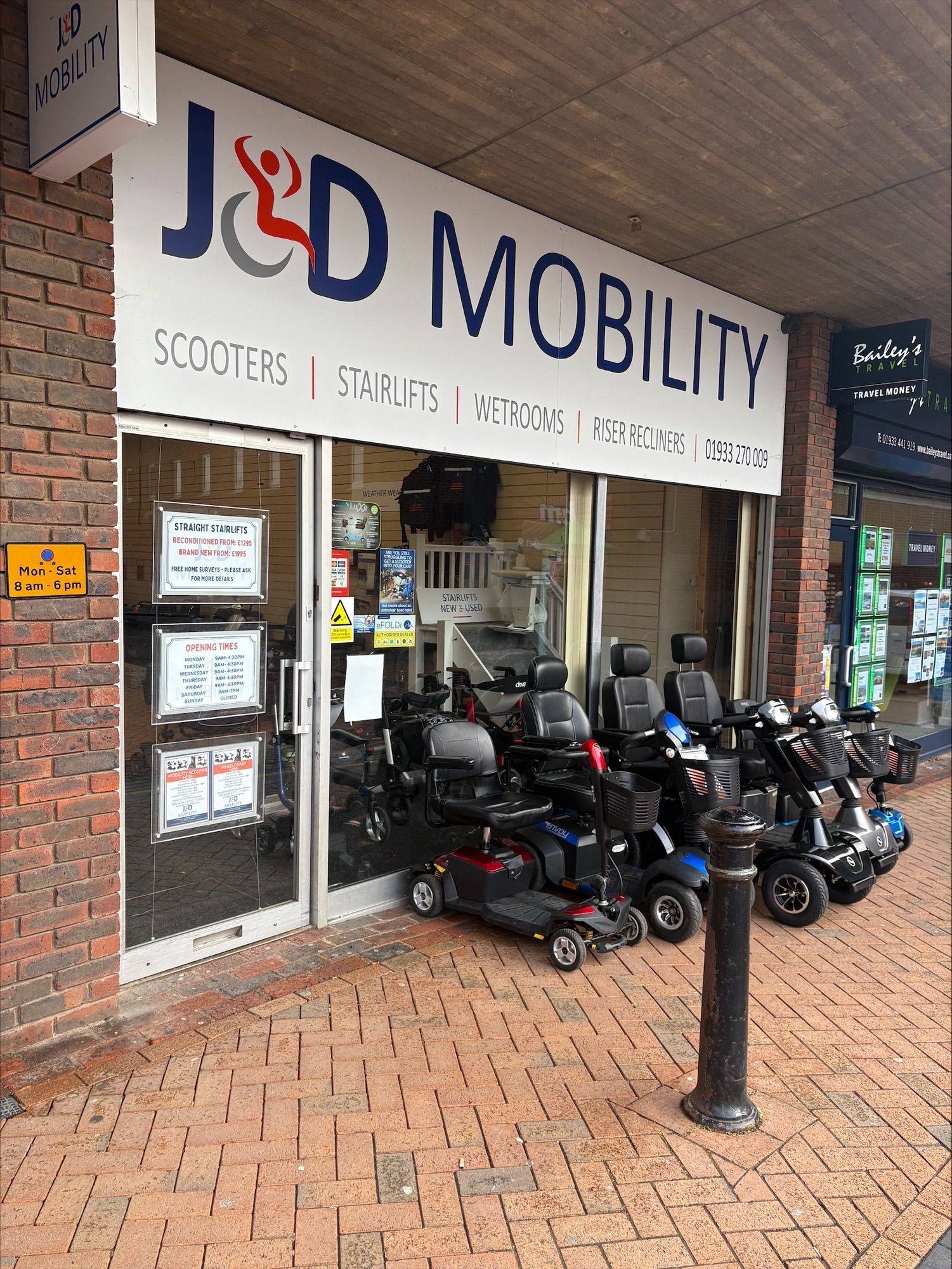
From what we see in our mobility shop in Wellingborough, many people feel reassured once they understand their options clearly.
Common Mistakes To Avoid Before Booking An Assessment
Many people wait until a situation becomes urgent before asking for help. That can make decisions feel rushed.
Common mistakes include:
- Buying equipment before checking whether it suits the home
- Assuming a stairlift will or will not fit
- Ignoring bathroom safety concerns
- Waiting until after a fall
- Choosing products without trying them first
- Underestimating how quickly mobility needs can change
- Not considering servicing and aftercare
Good advice can help avoid unnecessary purchases and make sure any solution is suitable for daily use.
How A Home Mobility Assessment Supports Independence
The purpose of a home mobility assessment is not to take independence away. It is to protect it.
The right recommendations can help someone:
- Move around the home with more confidence
- Reduce avoidable risks
- Continue using more of their home
- Make bathing and personal care easier
- Stay comfortable in everyday routines
- Plan for changing needs
- Feel less reliant on family members
Small changes can often make a meaningful difference.
FAQs About Home Mobility Assessments
Is A Home Mobility Assessment Only For Elderly People?
No. A home mobility assessment can help anyone experiencing reduced mobility, including people recovering from injury, living with disability, or adjusting to changes in health.
Do I Need An Assessment Before Buying Mobility Equipment?
It is often a good idea. An assessment helps make sure the equipment suits the person, the home and the way it will be used day to day.
Can A Home Assessment Help With Bathroom Safety?
Yes. Bathrooms are a common focus because slips, awkward access and reduced confidence can make daily routines harder. Recommendations may include mobility aids, shower seating, grab rails or wet room adaptations.
What If I Am Not Ready For Major Changes?
That is completely normal. An assessment does not mean you have to make big changes straight away. It can simply help you understand your options and plan ahead.
Can Family Members Be Involved?
Yes. Having a family member present can be helpful, especially if they provide care or support with daily routines.
Taking The Next Step With Confidence
The right time to consider a home mobility assessment is when movement at home starts to feel less safe, less comfortable or less manageable. You do not need to wait for a crisis before asking for advice.
A professional assessment can help you understand what support may be useful, whether that involves mobility equipment, stairlifts, bathroom adaptations or simple changes around the home.
To discuss your needs or arrange friendly guidance, visit J&D Mobility’s home assessment page.