Common Mobility Challenges at Home (and How the Right Equipment Can Help)
For many people, changes in mobility happen gradually. What starts as a small inconvenience can become a daily challenge that affects confidence, safety, and independence at home.
Tasks that once felt simple, such as climbing stairs, bathing, or moving between rooms, can begin to feel physically demanding or even unsafe. Left unaddressed, these challenges can lead to reduced activity, increased risk of falls, and a loss of independence.
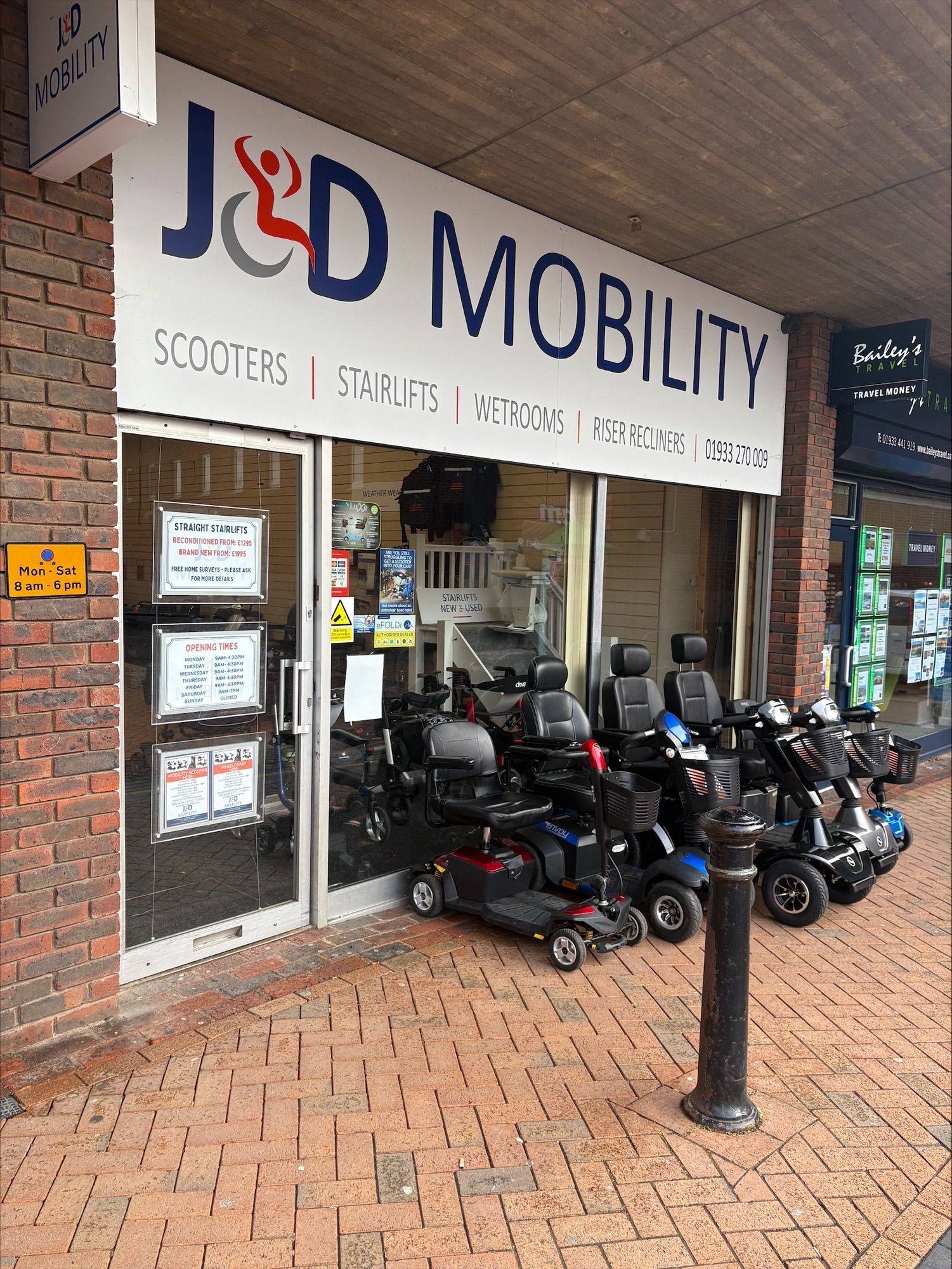
Drawing on years of experience supporting customers across Northamptonshire, including advice from our mobility shop in Wellingborough, this guide explores the most common mobility challenges at home and the practical ways to overcome them.
When Stairs Start to Feel Like a Barrier
Stairs are often one of the first areas where mobility challenges become noticeable. What was once a quick trip upstairs can become tiring, painful, or risky.
Many people begin by relying on bannisters or taking breaks midway, but over time, this can increase the risk of slips or falls, particularly when balance or strength is reduced.
In some cases, individuals may start avoiding parts of their home altogether, limiting access to bedrooms or bathrooms upstairs. This can significantly impact quality of life.
Practical solutions to consider:
- Installing a stairlift allows safe, seated travel between floors
- Options are available for both straight and curved staircases
- Modern designs are discreet and tailored to your home layout
Rather than adapting your lifestyle around your home, the right equipment allows your home to continue working for you.
Bathroom Safety and Loss of Confidence
Bathrooms present a unique combination of challenges. Slippery surfaces, tight spaces, and awkward movements such as stepping into a bath all increase the risk of accidents.
It is common for people to feel less confident using their bathroom over time, sometimes rushing or avoiding bathing altogether due to fear of slipping.
This is not just about safety, but also dignity and maintaining independence.
Ways to improve bathroom safety:
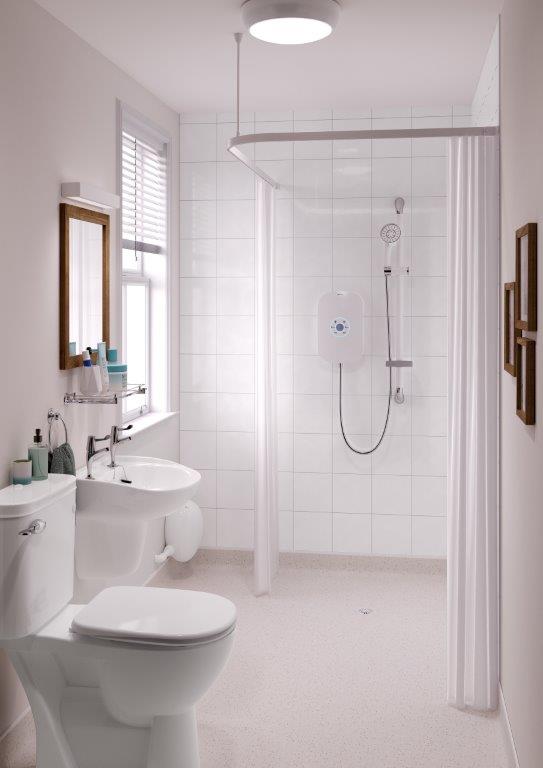
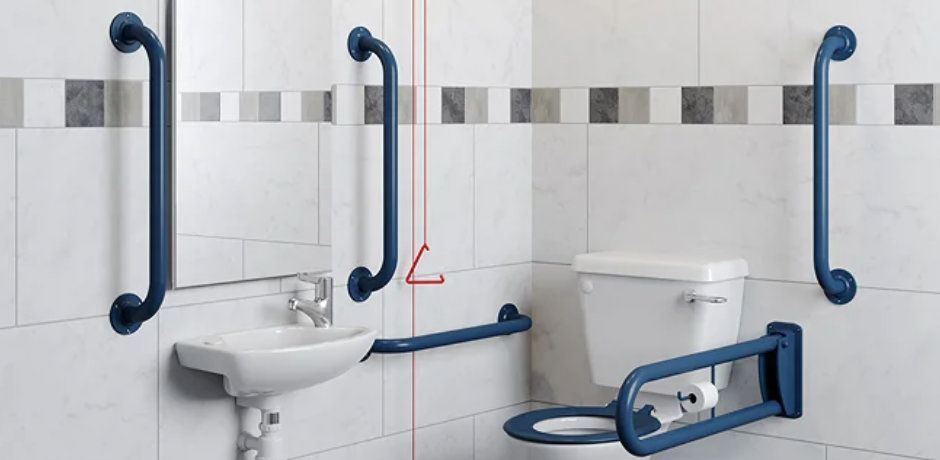
- Converting to a wet room removes the need to step over a bath
- Level-access showers create a safer, more accessible space
- Features such as grab rails, seating, and anti-slip flooring provide additional support
These adaptations are not just functional. When designed properly, they create a comfortable and easy-to-use environment that restores confidence in daily routines.
Everyday Movement Becoming More Difficult
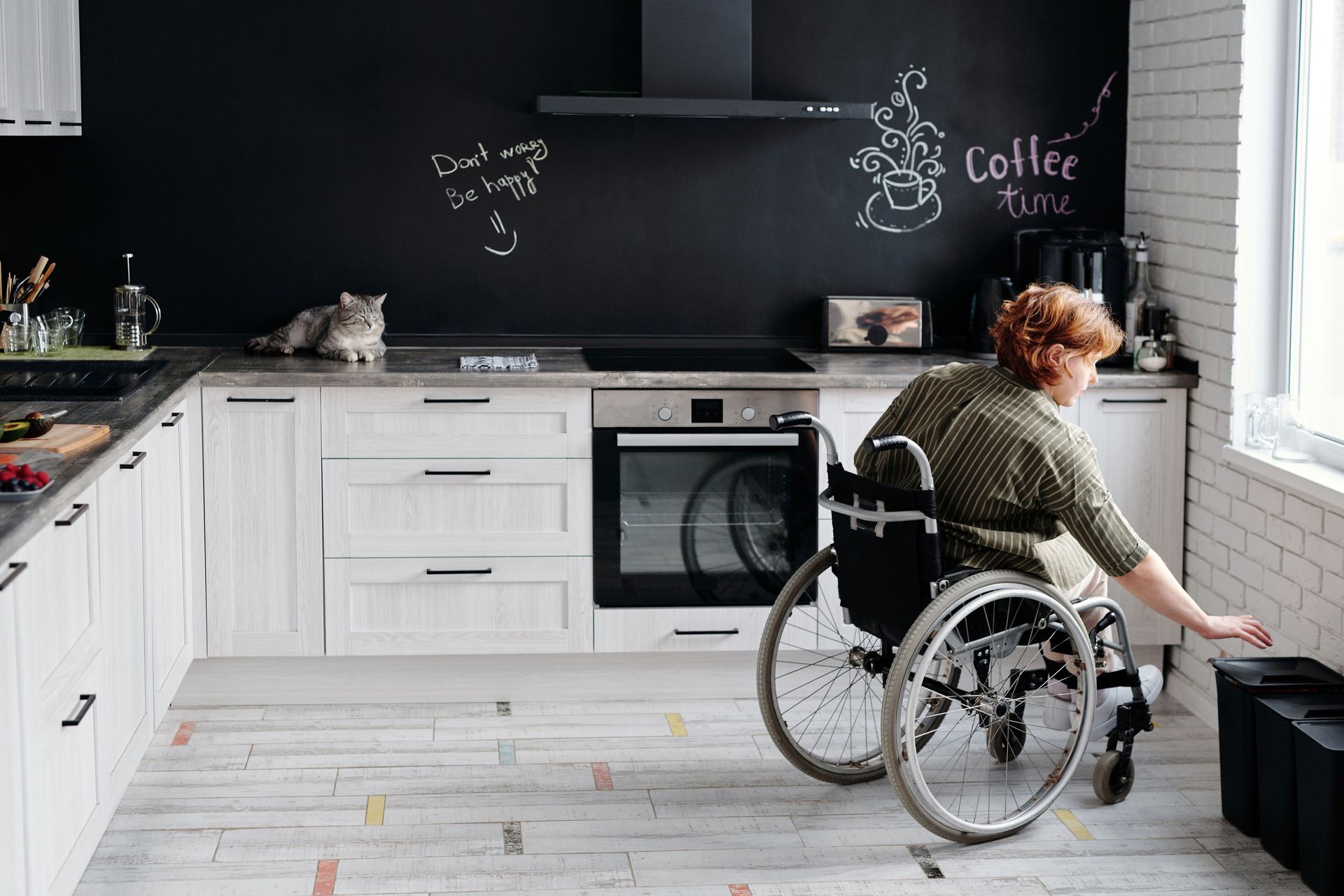
Mobility challenges are not always dramatic. Often, they show up in smaller, everyday moments.
Standing up from a chair, walking between rooms, or bending to reach items can become increasingly difficult. Over time, these small struggles can lead to reduced movement, which can further impact strength and balance.
It is important to address these changes early, before they begin to affect overall well-being.
Supportive solutions include:
- Riser recliner chairs to assist with sitting and standing
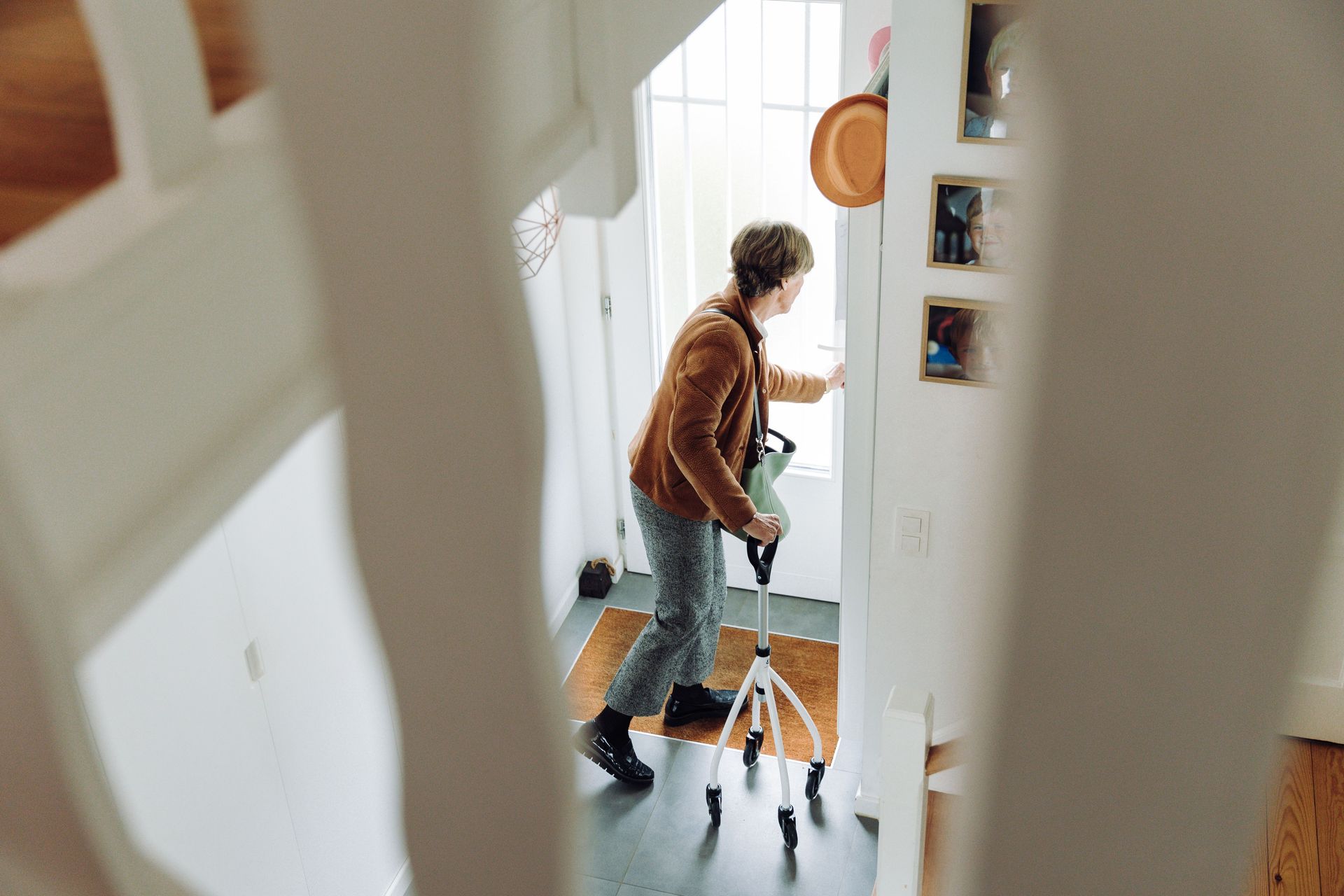
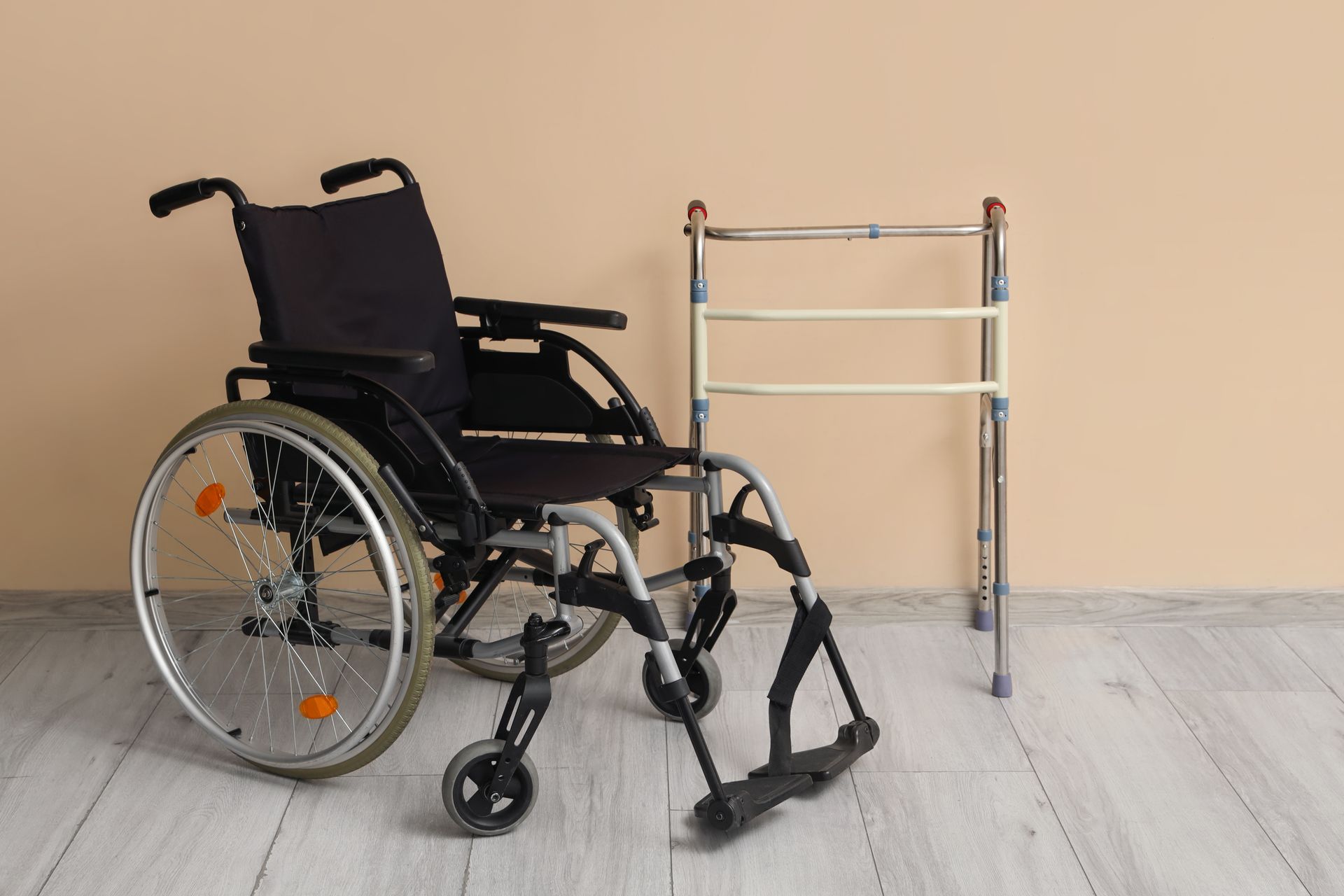
- Mobility aids such as walking aids and grab rails
- Profiling beds for improved comfort and positioning
These solutions are designed to work with your body, reducing strain and helping you move more confidently throughout the day.
Losing Independence Outside the Home
Mobility challenges do not stop at your front door. Many people begin to limit outings due to fatigue, discomfort, or concerns about walking longer distances.
This can lead to reduced social interaction and a feeling of isolation, which is just as important to address as physical mobility.
Maintaining independence outdoors plays a key role in overall well-being.
Options that can help:
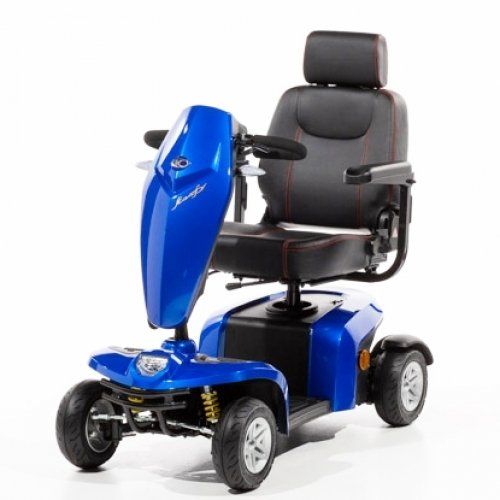
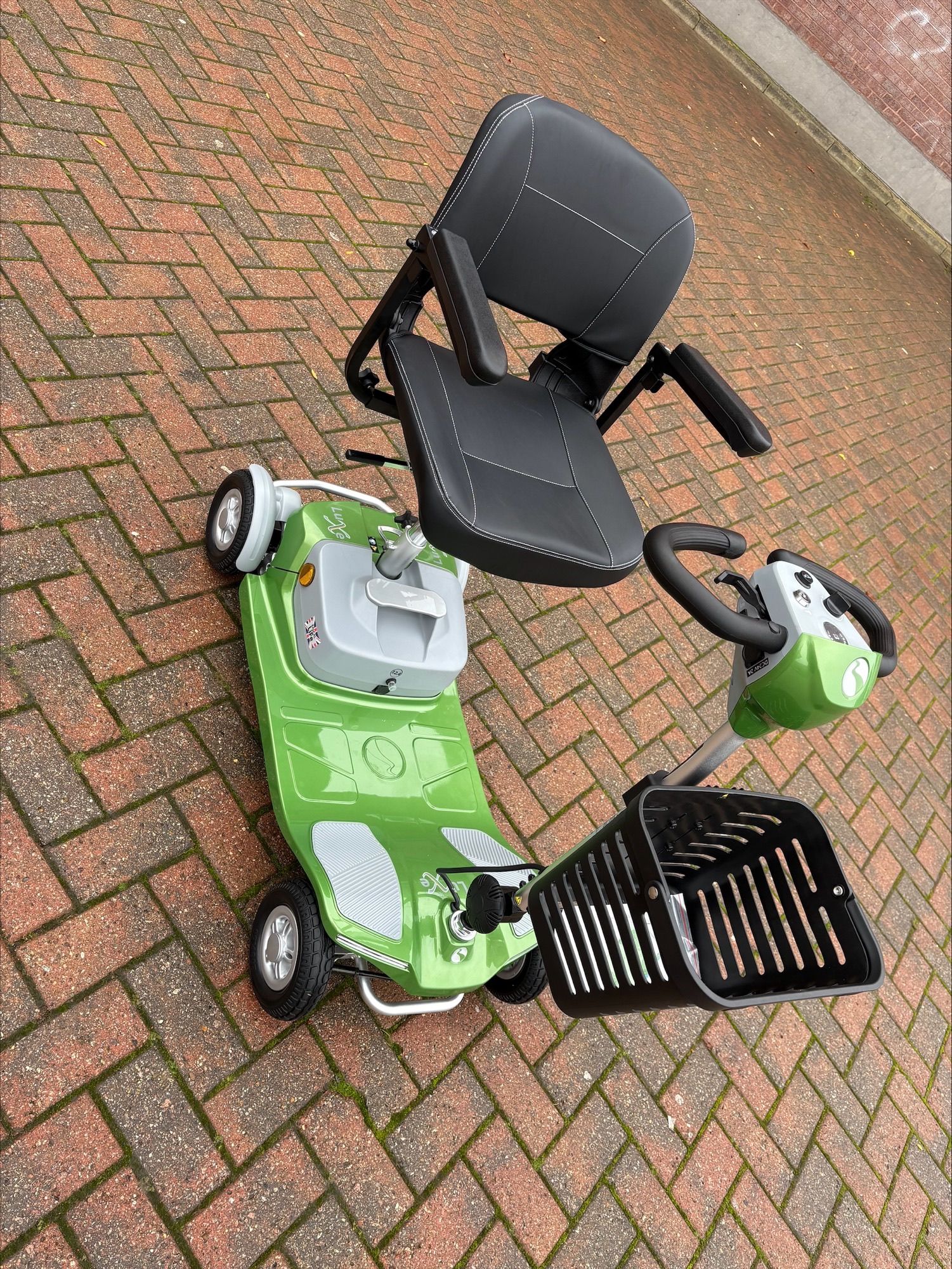
- Mobility scooter hire for flexible, short-term or long-term use
- Different scooter types suited to shopping trips, appointments, or longer journeys
- Try-before-you-buy options to find what works best for you
With the right support, staying active and connected becomes far more manageable.
When Equipment Becomes Unreliable
Mobility equipment is something you rely on daily. When it stops working properly, it can quickly disrupt your routine.
A faulty scooter, stairlift, or chair is not just inconvenient; it can impact your safety and independence.
That is why ongoing maintenance and quick repairs are essential.
What to look for:
- Access to mobility equipment repairs with fast response times
- Regular servicing to prevent unexpected breakdowns
- Support from experienced engineers who understand your equipment
Having reliable aftercare in place provides reassurance that help is available when you need it.
Why the Right Advice Makes All the Difference
One of the biggest challenges people face is knowing where to start. With so many options available, it can feel overwhelming to choose the right solution.
This is where expert guidance becomes invaluable.
From what we see every day, including customers visiting our mobility shop in Wellingborough, the right solution is not always the most obvious one. It is about understanding your home, your routine, and what will actually make things easier for you.
Getting proper advice helps you:
- Understand what solutions are available
- Avoid unnecessary purchases
- Find equipment tailored to your home and lifestyle
- Plan for both current and future needs
A personalised approach ensures that any changes you make are practical, effective, and long-lasting.
Small Changes Can Make a Big Difference
Mobility challenges at home are common, but they do not have to limit your independence.
In many cases, small adjustments or the introduction of the right equipment can transform daily life. Whether it is making stairs accessible again, improving bathroom safety, or making movement easier around the home, the right support can restore both confidence and comfort.
With the right advice and solutions, your home can continue to be a safe and supportive environment for years to come.
Frequently Asked Questions
What is the best mobility solution for stairs at home?
The best option will depend on your staircase and your needs, but in most cases a stairlift is the safest and most practical solution. It allows you to use your full home without the risk of climbing stairs.
How can I make my bathroom safer if I have mobility issues?
Simple changes like grab rails can help, but many people benefit from a level-access shower or wet room. This removes the need to step into a bath and makes daily routines much safer and easier.
How do I know which mobility equipment is right for me?
The best way is to speak to someone with experience who can look at your home and understand your day-to-day needs. Getting proper advice helps you choose the right solution without unnecessary cost or guesswork.
Speak to a Local Expert
If you are starting to notice changes in your mobility, getting advice early can make a real difference.
Our team provides practical guidance based on real experience supporting customers across the region, including through our mobility shop in Wellingborough.