Bathroom Adaptations That Can Help You Stay Independent at Home
Maintaining independence at home becomes increasingly important when mobility changes. Bathroom adaptations are one of the most effective ways to improve safety, comfort, and confidence in daily routines.
Bathrooms are often the most challenging space in the home due to slippery surfaces, tight layouts, and awkward access. This guide explores practical bathroom adaptations, helping you understand which solutions may be right for your needs, with insights from mobility experts in Wellingborough supporting customers across Northamptonshire.
Why Are Bathroom Adaptations Important for Independence at Home
Bathrooms are one of the most common areas where slips and falls occur. According to
the NHS, falls are a leading cause of injury, particularly among older adults.
Making the right bathroom adaptations can:
- Improve safety when bathing or showering
- Reduce the risk of slips and falls
- Increase confidence when using the bathroom independently
- Make daily routines easier and more comfortable
These changes can play a key role in helping people remain in their own homes for longer.
What Are the Most Effective Bathroom Adaptations for Mobility Needs
There are several types of bathroom adaptations designed to suit different needs and levels of mobility.
Walk-In Showers, A Safer Alternative to Traditional Baths
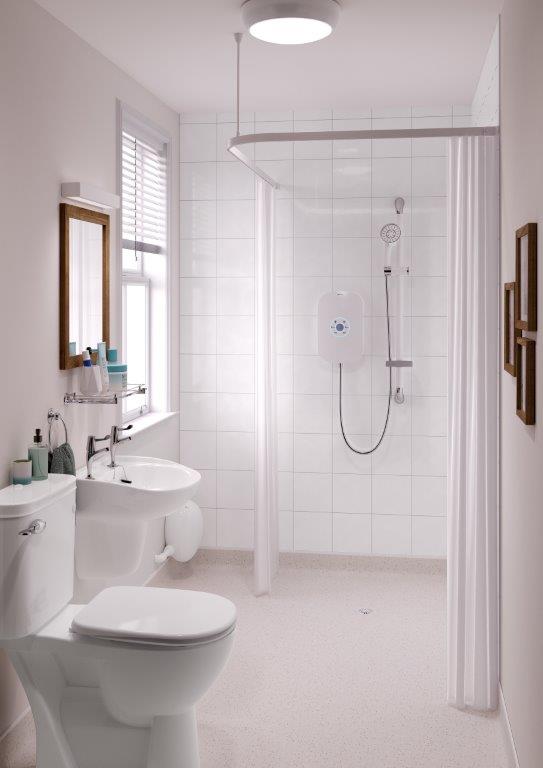
Traditional baths can be difficult and sometimes unsafe to access. A walk-in shower removes the need to step over a high edge, making it a safer and more practical option.
Key benefits include:
- Easy access with low or level entry
- Safer showering environment
- Suitable for a wide range of mobility needs
Grab Rails, Simple but Effective Support
Grab rails are a simple yet highly effective adaptation.
They can be installed:
- Near toilets
- Inside showers
- Along the walls for additional support
Even small additions like this can significantly improve safety.
Wet Rooms: The Most Accessible Bathroom Solution
A wet room is one of the most effective long-term bathroom adaptations, offering a fully level-access space.
Benefits include:
- Step-free access throughout
- Wheelchair-friendly design
- Easy cleaning and maintenance
- Open and modern layout
Learn more about
wet room installation.
Non-Slip Flooring, Reducing Risk in Wet Areas
Slippery floors are a major hazard in any bathroom.
Non-slip flooring helps by:
- Providing a better grip underfoot
- Reducing the risk of falls
- Creating a safer environment overall
This is often recommended as part of a professional home assessment.
hower Seats and Raised Toilets for Added Comfort
For individuals who find standing difficult, seating solutions can greatly improve comfort and safety.
Options include:
- Fold-down shower seats
- Raised toilet seats
- Supportive bathroom aids
Explore options in our mobility aids shop.
How Do You Choose the Right Bathroom Adaptations for Your Home
Choosing the right bathroom adaptations depends on several key factors:
- Your current mobility needs
- The size and layout of your bathroom
- Future planning for changing needs
- Budget and installation requirements
Because every home is different, tailored advice is essential.
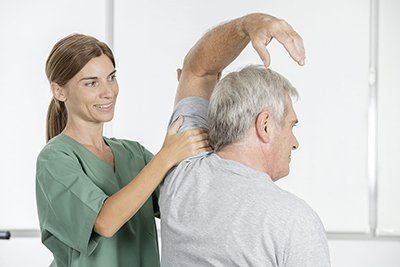
Many customers benefit from a professional assessment carried out by experienced mobility specialists, ensuring solutions are practical, safe, and suited to the property.

When Should You Consider a Mobility Home Assessment
If everyday tasks in the bathroom are becoming more difficult, it may be time to consider a professional assessment.
Signs to look out for include:
- Difficulty getting in and out of the bath
- Feeling unsteady on wet surfaces
- Needing support when standing
- Concerns about slipping or falling
A mobility home assessment helps identify risks and recommend the most suitable adaptations, whether that involves simple adjustments or larger changes like a wet room.
Learn More About Mobility Assessment (Page to be created)
What Happens During a Bathroom Assessment
A professional bathroom and mobility assessment focuses on both safety and usability.
During the visit, an expert will:
- Assess the layout of your bathroom
- Identify potential hazards
- Recommend suitable bathroom adaptations
- Provide clear guidance on next steps
Advice from a trusted mobility shop in Wellingborough ensures recommendations are based on real experience and tailored to your needs.
Can Bathroom Adaptations Increase Property Value
In addition to improving safety, bathroom adaptations can make a property more appealing for future buyers.
Accessible features such as wet rooms and walk-in showers are increasingly seen as long-term investments, particularly for those planning to stay in their homes as they age.
Are Bathroom Adaptations Expensive
The cost of bathroom adaptations varies depending on the type of work required.
However, many solutions are more accessible than expected:
- Grab rails and small aids offer low-cost improvements
- Non-slip flooring provides immediate safety benefits
- Larger adaptations offer long-term value
Financial support may be available through schemes such as the Disabled Facilities Grant.

Why Professional Installation Matters for Bathroom Adaptations
Proper installation is essential to ensure safety and durability.
Working with experienced professionals means:
- Correct fitting for long-term use
- Compliance with safety standards
- Access to expert advice and support
- Peace of mind that the solution is right
J&D Mobility provides supply and installation services, helping customers improve independence at home with tailored solutions.
Final Thoughts on Choosing the Right Bathroom Adaptations
The right bathroom adaptations can make a meaningful difference to everyday life, improving safety, comfort, and confidence at home.
From simple additions like grab rails and non-slip flooring to more comprehensive solutions such as walk-in showers and wet rooms, there are options to suit a wide range of needs and budgets. The key is choosing adaptations that not only work for your current situation but also support your independence in the long term.