Signs It Is Time For Mobility Equipment Servicing Or Replacement

Nicola Offord • July 28, 2026

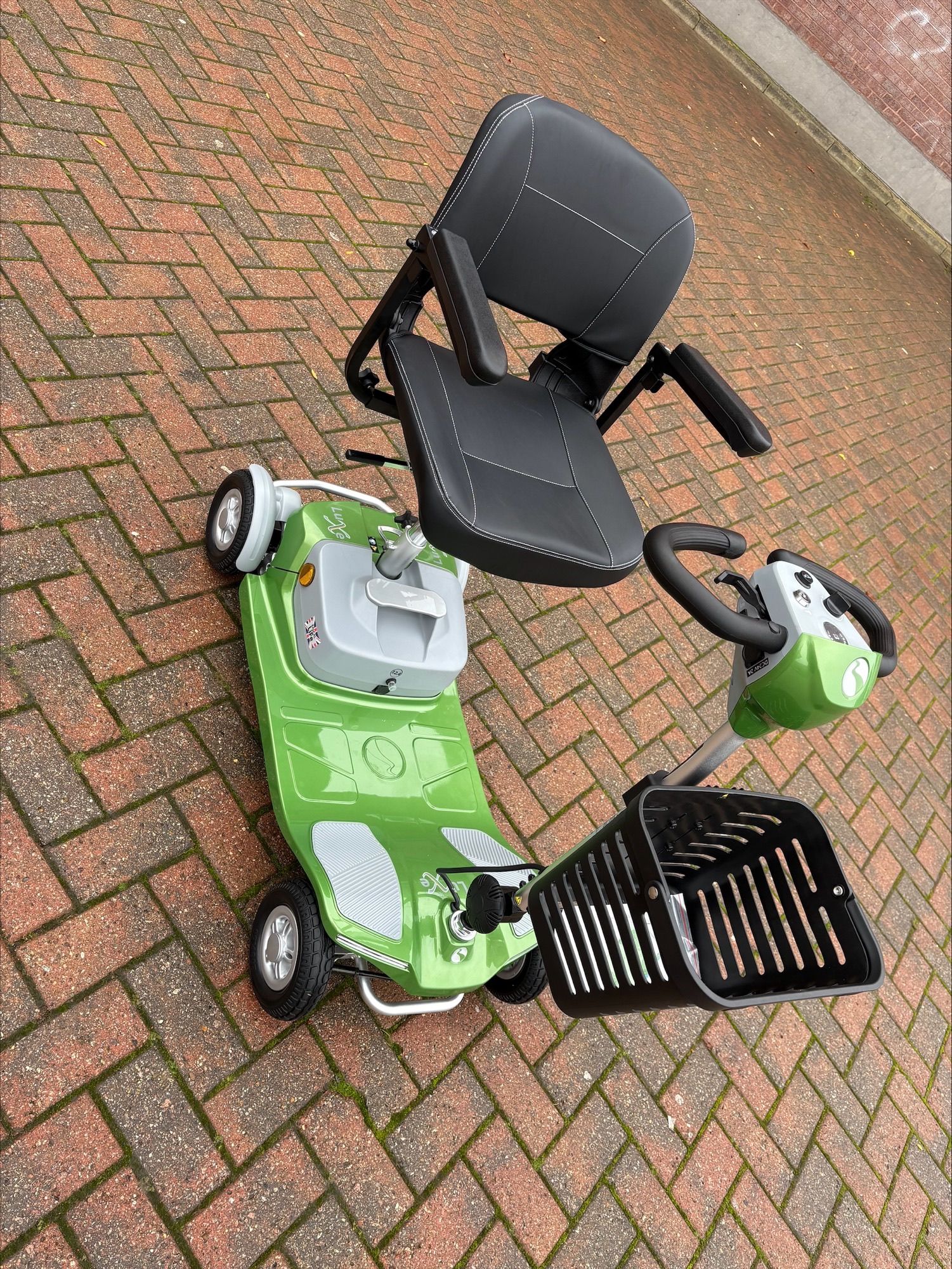
Mobility equipment servicing becomes important when a scooter, powerchair, stairlift or mobility aid starts to feel less reliable, comfortable or safe. Common warning signs include unusual noises, reduced battery range, slower movement, worn tyres, loose parts or repeated faults.

Some problems can be resolved with a repair or service. Others may mean the equipment is no longer suitable for the user’s needs. Knowing the difference can help prevent breakdowns and support safer day-to-day use.

Book A Mobility Equipment Check

The Main Warning Signs To Look For

Your mobility equipment may need professional attention if you notice:


  • Reduced battery life
  • Slower or uneven movement
  • Unusual rattling, grinding or clicking sounds
  • Worn or damaged tyres
  • Loose seats, handles or footrests
  • Difficulty steering or braking
  • Repeated breakdowns
  • Reduced comfort or support


Stop using the equipment if it feels unstable, cuts out unexpectedly or does not brake properly.

Signs A Mobility Scooter Needs Servicing

A mobility scooter should move smoothly, steer predictably and hold enough charge for normal journeys.

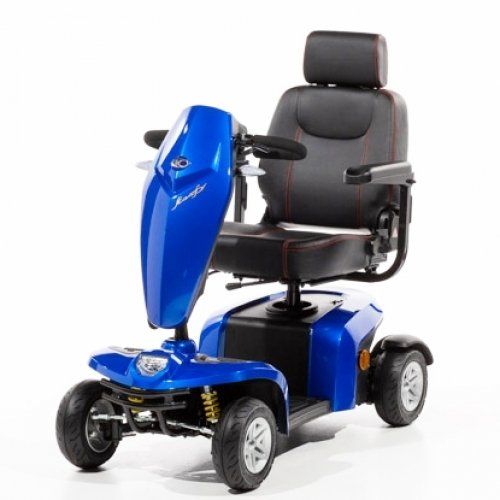
A service may be needed if the scooter requires more frequent charging, loses power on slopes, pulls to one side or takes longer to stop. New noises and uneven tyre wear can also indicate a developing fault.


Battery issues are common, but reduced range is not always caused by the batteries alone. The charger, electrical connections or motor may also need checking.


J&D Mobility provides mobility scooter repairs and servicing for customers experiencing performance or reliability problems.

When Other Mobility Equipment Needs Attention

Powerchairs, stairlifts, wheelchairs and walking aids can also show signs of wear.


Powerchairs may need checking if the controls become inconsistent or the seating no longer feels supportive. Stairlifts should be inspected if they judder, stop unexpectedly or make unfamiliar sounds.


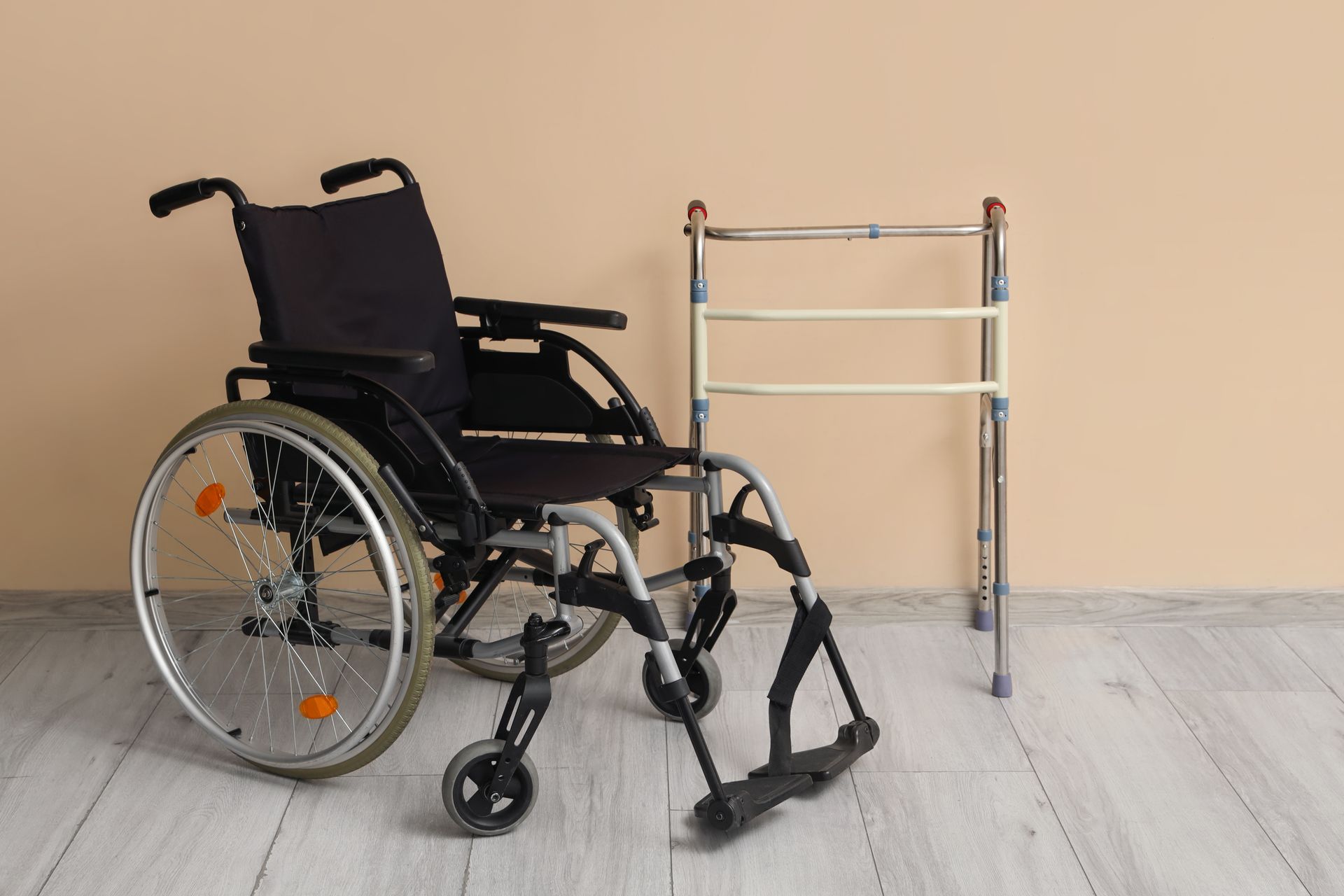
Walking frames, rollators and wheelchairs may need repair or replacement if the brakes fail, wheels wobble, fixings loosen or the frame becomes damaged.


Do not continue using equipment if a fault affects balance, stability or control.

When A Repair May Be Enough

Servicing or repair may be suitable when:


  • The equipment still meets the user’s needs
  • The problem involves a replaceable part
  • Replacement parts remain available
  • Faults are occasional rather than recurring
  • The main structure is in good condition
  • The equipment remains comfortable and easy to use


Early repairs are often simpler than waiting for the equipment to break down completely.

Do Not Ignore Small Changes In Performance


Small changes in how your mobility equipment performs can be easy to dismiss, especially if it still appears to be working. However, reduced battery life, unusual noises or slower response times can often be early signs that a component is wearing out.


Arranging a professional inspection sooner rather than later can help identify minor issues before they develop into more significant faults. In many cases, early maintenance can extend the life of your equipment and reduce the likelihood of unexpected breakdowns when you rely on it most.

When Replacement May Be The Better Option

Replacement may be more practical when faults keep returning, repairs are becoming frequent or the equipment no longer supports the user properly.


A person’s mobility needs may also change over time. They may need better seating, easier controls, greater stability or equipment that suits a different daily routine.


A home mobility assessment can help establish whether the current equipment remains suitable.


A Professional Assessment Can Save Time And Money

It can be tempting to replace mobility equipment as soon as a fault appears, but that isn't always the most cost-effective solution. Equally, continuing to repair equipment that no longer meets your needs may lead to ongoing inconvenience and unnecessary expense.


A professional assessment can identify the cause of the problem, explain whether a repair is likely to resolve it and help you decide if replacement is the better long-term option. This ensures you can make an informed decision based on the condition of the equipment and your current mobility needs, rather than guesswork.

Repair Or Replace? Questions To Consider

Before making a decision, ask:


  1. Is the equipment still safe and comfortable?
  2. Does it meet the user’s current needs?
  3. Can the fault be repaired reliably?
  4. Are replacement parts available?
  5. Have breakdowns become more frequent?
  6. Would newer equipment improve everyday independence?


The age of the equipment should not be the only factor. Its condition, suitability and reliability matter more.

Simple Maintenance Checks Between Services

Regular checks can help identify problems early.


Look at the tyres, brakes, battery charge, controls, seats, armrests and visible fittings. Keep the equipment clean and dry, use the recommended charger and follow the manufacturer’s guidance.


Avoid attempting electrical or mechanical repairs without the right knowledge.

Frequently Asked Questions

  • How Often Should Mobility Equipment Be Serviced?

    This depends on the product, how often it is used and the manufacturer’s recommendations. Arrange an earlier inspection if performance changes.


  • How Do I Know If A Mobility Scooter Battery Needs Replacing?

    Common signs include reduced range, slow performance and difficulty holding a charge. A professional battery test can confirm the cause.


  • Is It Safe To Use Faulty Mobility Equipment?

    Do not use equipment if the fault affects braking, steering, stability or safe control.


  • Is It Worth Repairing Older Mobility Equipment?

    It may be worth repairing if the equipment remains suitable and parts are available. Replacement may be better if faults are frequent or the equipment no longer meets the user’s needs.


Get Advice About Your Mobility Equipment

A change in performance does not always mean equipment needs replacing, but it should not be ignored. A professional check can help determine whether servicing, repair or replacement is the most suitable next step.

Contact J&D Mobility
By Nicola Offord June 25, 2026
A home mobility assessment may be worth considering when everyday tasks at home start to feel harder, less safe or more tiring than they used to. This could include struggling with stairs, feeling unsteady in the bathroom, finding it difficult to get in and out of chairs, or avoiding parts of the home because movement has become uncomfortable. For many people, the right time is not when a serious fall or accident has already happened. It is often much earlier, when small changes in mobility begin affecting confidence, independence or peace of mind. The Clearest Signs A Home Mobility Assessment Could Help A home mobility assessment can help identify practical changes that make daily life safer and easier. It may be useful if you or a loved one is starting to notice: Difficulty using the stairs Feeling unsafe getting in or out of the bath Holding onto furniture for support Struggling to stand from a chair or bed Avoiding certain rooms Worrying about falls Feeling tired after small movements around the home Returning home after illness, injury or hospital treatment A recent change in health, strength or balance The aim is not to make unnecessary changes. It is to understand what is becoming difficult and recommend suitable support before small issues become bigger risks. What Is A Home Mobility Assessment? A home mobility assessment is a practical review of how safely and comfortably someone can move around their home. It usually looks at key areas such as stairs, bathrooms, entrances, seating, bedrooms and everyday walking routes. The assessor may consider where the person feels least confident, what movements are most difficult and what equipment or adaptations could help. This may lead to recommendations such as: A stairlift Safer bathroom access or a wet room Walking aids or mobility aids A riser recliner chair A profiling bed A mobility scooter or powerchair Smaller daily living aids Repairs or servicing for existing mobility equipment When Small Daily Struggles Start To Build Up Reduced mobility often changes gradually. Someone may start by taking longer to climb the stairs, avoiding the bath, or sitting down more often between tasks. These changes can be easy to dismiss at first, especially if the person is still managing. However, a home mobility assessment can be helpful at this stage because it focuses on prevention, comfort and confidence. For example, if standing from a chair is becoming difficult, a riser recliner chair may reduce strain. If walking to the bathroom at night feels unsafe, small adjustments or mobility aids may improve confidence. If stairs are becoming tiring, discussing stairlift options early can help avoid rushed decisions later. After A Fall, Near Miss Or Loss Of Confidence A fall does not always result in injury, but it can affect confidence. Even a near miss can make someone nervous about moving around the home. This is often a strong sign that an assessment is needed. The goal is to understand where the risk occurred and whether the home environment could be made safer. Common areas to review include: Loose rugs or trip hazards Bathroom access Stair safety Poor lighting Narrow walkways Difficult thresholds Unsuitable seating Lack of hand support in key areas A professional assessment can help identify practical solutions rather than relying on guesswork. When Stairs Become A Daily Concern Stairs are one of the most common reasons people consider a home mobility assessment. Warning signs include: Taking stairs one step at a time Needing both hands on the bannister Feeling breathless or tired halfway up Avoiding upstairs rooms Coming downstairs feeling unsafe Family members worrying about stair use A stairlift is not always the only answer, but it may be one of the options discussed during an assessment. The right advice will depend on the staircase, the person’s mobility and how they use the home. You can learn more about available options on the stairlifts page . When The Bathroom Starts To Feel Unsafe Bathrooms can become difficult because they involve wet surfaces, limited space and awkward movements. A home mobility assessment may be useful if someone is: Struggling to step into the bath Feeling unsteady in the shower Needing support when using the toilet Avoiding bathing due to fear of slipping Finding it hard to stand for long enough Relying heavily on another person for help Possible recommendations may include grab rails, shower seating, raised toilet aids, non-slip flooring, walk-in shower access or a full wet room adaptation. For more details, J&D Mobility also has a guide on bathroom adaptations that can help you stay independent at home . When Health Or Mobility Needs Change A home mobility assessment can also be useful after a diagnosis, injury, surgery or hospital stay. Changes in mobility may affect how someone moves through the home, even if the property was previously suitable. In these situations, an assessment can help families plan calmly and choose support that fits the person’s current needs. This may include short-term equipment, longer-term adaptations, or advice on whether existing equipment remains suitable. When Family Members Start To Feel Concerned Sometimes the person experiencing reduced mobility may not be the first to notice the risk. A loved one may see changes such as slower movement, hesitation on stairs, or increased reliance on furniture. A home mobility assessment can help turn concern into a practical plan. It gives families a clearer understanding of what support may be helpful, without making assumptions or buying unsuitable equipment. It can also reduce pressure on carers by making everyday routines safer and more manageable. What Happens During A Home Mobility Assessment? A home mobility assessment is usually straightforward and focused on real daily routines. The assessor may: Ask about current mobility challenges Look at stairs, bathrooms, bedrooms and living areas Review entrances and access points Discuss existing equipment Consider future needs Recommend suitable mobility equipment or adaptations Explain next steps clearly The best assessments are practical, personal and focused on the individual, not just the property.  From what we see in our mobility shop in Wellingborough , many people feel reassured once they understand their options clearly. Common Mistakes To Avoid Before Booking An Assessment Many people wait until a situation becomes urgent before asking for help. That can make decisions feel rushed. Common mistakes include: Buying equipment before checking whether it suits the home Assuming a stairlift will or will not fit Ignoring bathroom safety concerns Waiting until after a fall Choosing products without trying them first Underestimating how quickly mobility needs can change Not considering servicing and aftercare Good advice can help avoid unnecessary purchases and make sure any solution is suitable for daily use. How A Home Mobility Assessment Supports Independence The purpose of a home mobility assessment is not to take independence away. It is to protect it. The right recommendations can help someone: Move around the home with more confidence Reduce avoidable risks Continue using more of their home Make bathing and personal care easier Stay comfortable in everyday routines Plan for changing needs Feel less reliant on family members Small changes can often make a meaningful difference.
By Nicola Offord May 6, 2026
Struggling with mobility at home? Discover expert advice on stairs, bathrooms & daily movement from specialists in Northamptonshire →
By Nicola Offord April 28, 2026
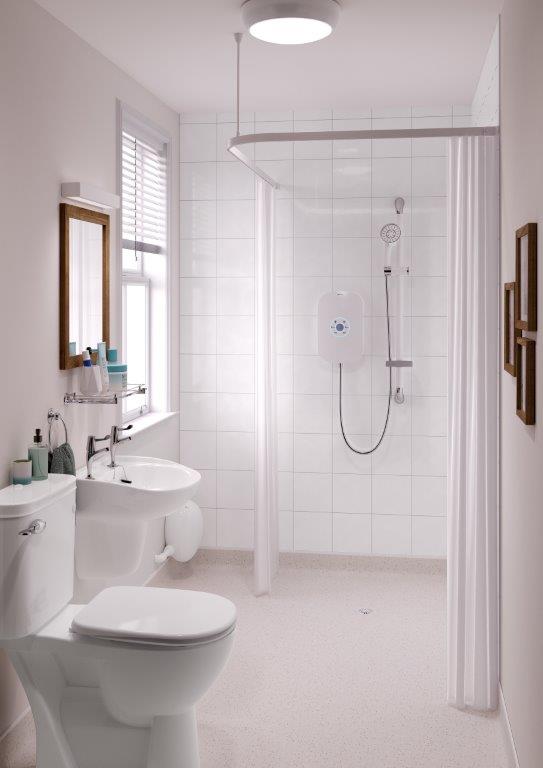
Maintaining independence at home becomes increasingly important when mobility changes. Bathroom adaptations are one of the most effective ways to improve safety, comfort, and confidence in daily routines.  Bathrooms are often the most challenging space in the home due to slippery surfaces, tight layouts, and awkward access. This guide explores practical bathroom adaptations, helping you understand which solutions may be right for your needs, with insights from mobility experts in Wellingborough supporting customers across Northamptonshire.
By Nicola Offord March 26, 2026
Choosing the right mobility equipment can feel overwhelming, especially when your comfort, safety, and independence are involved. Every home is different, and so is every individual. What works perfectly for one person may not suit another. As experienced mobility equipment specialists in Wellingborough, supporting customers across Northamptonshire, we understand how important it is to find solutions that truly fit your home and lifestyle. In this guide, we will walk you through the key factors to consider when selecting mobility equipment for your home, helping you make a confident and informed decision.
By Nicola Offord February 2, 2026
Is wet room installation in Wellingborough worth it? | Explore accessibility, safety, costs, and home value benefits before deciding on a wet room →
A blue 4-wheel mobility scooter against a white background
By Nicola Offord February 2, 2026
Keep mobility scooters in Wellingborough safe and reliable | Follow this practical maintenance checklist for weekly checks and longer trips →
 An empty stair lift chair positioned at the bottom of a staircase
By Nicola Offord February 2, 2026
Not sure whether you need a straight or curved stairlift? | Learn how stairlift installers decide, what to expect, and what to ask before booking →
By Nicola Offord December 2, 2025
Older adults living in Wellingborough often face growing mobility challenges, especially on the stairs. Installing stairlifts for older adults is one of the most effective ways to maintain independence, safety, and confidence at home. This guide explains how stairlifts work, who benefits most, how installation helps daily life, and why more families in Northamptonshire are choosing stairlifts as a long term mobility solution.  This article covers safety considerations, expert guidance, real life examples, model comparisons, and local insights tailored to homes in Wellingborough. If you are looking for practical answers before arranging a home survey or speaking to a mobility specialist, this guide breaks everything down clearly and simply. What Are Stairlifts & How Do They Work? A stairlift is a motor powered chair that travels safely up and down the staircase. It is designed to support people who struggle with balance, strength, or joint movement. Stairlifts work using: A fitted rail on the staircase A powered seat that moves smoothly Simple controls designed for ease of use Safety belts and swivel seats Optional powered footrests Stairlifts allow older adults to stay in the upstairs bedroom they love without needing to relocate rooms or move home entirely. Why Are Stairlifts Becoming More Common? The demand for stairlifts continues to rise across the UK. According to the Office for National Statistics, one in four people over 65 experience mobility limitations that affect daily living. For many, stairs become the first major difficulty. Families in Wellingborough often choose stairlifts because: Stairs cause pain or difficulty Falls become a concern Independence is important Long term health conditions are progressing Couples want to stay in their family home A stairlift removes the biggest barrier in the house, the staircase, which is responsible for thousands of avoidable falls every year. What Problems Do Stairlifts Solve for Older Adults? Reduced Risk of Falls: Stairs are one of the most hazardous locations for older adults. A stairlift provides a controlled ride up and down the stairs with minimal effort. Increased Independence: A stairlift allows individuals to move freely without needing support from family members or carers. This encourages dignity and confidence. Pain Reduction: Conditions such as arthritis, hip pain, knee issues, or back pain can make stairs extremely uncomfortable. A stairlift removes pressure on painful joints. Staying in the Family Home: A stairlift supports ageing in place, allowing people to stay in the home they know and love without expensive renovations or moving costs. What Types of Stairlifts for Older Adults Are Available? Choosing the right stairlift depends on the staircase layout and personal needs. Straight Stairlifts Used on staircases with no turns. They are affordable, fast to install, and ideal for many Wellingborough homes. Curved Stairlifts Custom built for staircases with bends or landings. These provide a safe ride along complex layouts commonly found in older Northamptonshire properties. Reconditioned Stairlifts A cost effective alternative to new models. Quality checked, refurbished, and supplied with warranty. Outdoor Stairlifts Designed for garden steps, porches, or external access. Waterproof and weather protected. How Do Stairlifts Improve Daily Living for Older Adults? Easier Bathroom Access: Many older homes in Wellingborough have bathrooms located on the first floor. A stairlift removes the challenge of accessing essential facilities. Improved Sleep Quality: Older adults can continue sleeping in their own bedroom instead of relocating to a downstairs room. Greater Confidence: Users often feel more secure and relaxed knowing they can move safely between floors. Reduced Dependency on Family: A stairlift gives freedom from waiting for assistance or worrying about asking for help. What Features Should Older Adults Look For in a Stairlift? Modern stairlifts include user friendly features designed for age related needs. Key features include: Swivel seats for easier exiting Armrest controls Foldable footrests Safety sensors Smooth start and stop technology Adjustable seat height Battery power for operation during power cuts How Safe Are Stairlifts? Safety is the top priority for stairlift manufacturers. All reputable models comply with UK safety regulations and undergo rigorous testing. Safety features include: Secure seatbelt Sensor detection Emergency stop button Slow and controlled motion Lockable key for grandchildren safety These features reduce risk, increase stability, and support users with limited mobility or balance. How Do Stairlifts Support Independent Living for Older Adults? Installing a stairlift allows older adults to move between floors without risk or discomfort. This makes daily life easier and encourages long term independence. Stairlifts remove the need to rearrange the home, such as moving a bedroom downstairs, and they help prevent falls on stairs. Many households in Wellingborough choose stairlifts because they support ageing in place and provide a safe, reliable solution for changing mobility needs. Benefits include: Maintaining independence Avoiding relocation costs Supporting long term mobility needs Are Stairlifts for Older Adults Worth the Investment? Financial Benefits A stairlift is significantly cheaper than moving to a bungalow or paying for assisted living accommodation. Lifestyle Benefits Most users report immediate improvements in comfort, confidence, and independence. Long Term Value Stairlifts last many years with basic servicing. How Much Do Stairlifts Cost in Wellingborough? Prices vary depending on whether the staircase is straight or curved: Straight models typically range from £1,500 to £2,500 Curved models can range from £3,500 to £6,000 or more Reconditioned models offer reduced cost with strong reliability Servicing is usually recommended once per year. What Should You Expect During a Stairlift Installation? A mobility expert will: Assess your staircase Measure the layout Recommend suitable models Install the stairlift with minimal disruption Provide a demonstration Offer maintenance advice Most installations take between two and four hours. Get in Touch Today If you or a loved one is considering stairlifts for older adults in Wellingborough, the next step is arranging a free home assessment. A mobility specialist can review your staircase, explain model options, and provide expert guidance tailored to your needs. Installing a stairlift can transform independence and confidence at home. Contact your local mobility team today to get started. Call us: 01933 270009 Email: info@jd-mobility.co.uk Get in Touch
By Nicola Offord December 2, 2025
If you are comparing mobility scooter hire in Wellingborough with the option to buy a scooter outright, you are not alone. Many people across Northamptonshire look for clear guidance on which choice is better for their independence, budget, and lifestyle. This guide gives you a complete breakdown of both options so you can make a confident, informed decision. We will look at costs, practical considerations, maintenance responsibilities, long term value, and real life examples. You will also find expert insights from mobility specialists along with advice that aligns with Google’s Helpful Content Guidelines. Whether you need mobility support for a short recovery period or long term daily use, this article shows exactly what you need to consider before choosing hire or purchase. What Is Mobility Scooter Hire & Who Is It Best For? Hiring a mobility scooter gives you short term or flexible access to a scooter without committing to full ownership. For many people in Wellingborough, this option suits situations such as: Recovering from an injury Visiting family or going on holiday Trialling a scooter before buying Occasional use for shopping or days out Temporary mobility changes Hiring is ideal if you want convenience, low upfront cost, and no long term responsibility for servicing or repairs. What Does Buying a Mobility Scooter Involve? Owning a mobility scooter gives you full access to your own equipment whenever you need it. This works well for people who rely on mobility support every day. Ownership means: A permanent solution Long term cost effectiveness More model choices Complete control over maintenance The freedom to customise features Buying is best for those who expect to use a scooter regularly and want a long lasting mobility solution tailored to their needs. What Are the Costs of Mobility Scooter Hire in Wellingborough? Understanding cost differences is essential. Here is a simple breakdown of expected hire prices for the Wellingborough area. Typical Hire Costs Prices vary by model type and duration. A common price range includes: Day hire, around £25 Weekend hire, around £65 Weekly hire, around £75 Short session hire, around £10 Hire pricing suits budgets that cannot absorb large upfront spending. It also suits people who may only need a scooter occasionally. What Is Included in Hire Costs? Most hire packages include: Delivery and collection Demonstration and setup Battery charging guidance Maintenance and repairs Technical support during hire This removes the stress of ownership and ensures you always have a working scooter ready to use. What Are the Costs of Buying a Mobility Scooter? Buying costs depend on the model, size, and power of the scooter. Typical Purchase Prices Portable or boot scooters, £600 to £1,000 Pavement scooters, £900 to £1,800 Road scooters, £2,000 to £4,000 Long Term Costs to Consider When you own a scooter, you also take responsibility for: Annual servicing Battery replacement every two to three years Tyres and wear and tear Repairs if issues arise Although the long term cost is higher, ownership provides unlimited use and can be cost effective for long term mobility needs. Hire vs Purchase, Which Is More Convenient? Convenience is a key factor for many people. Benefits of Hiring for Convenience No maintenance tasks No repair costs No long term commitment Easy model swaps Perfect for short term needs Hiring gives you full flexibility, which is ideal if your mobility needs may change. Benefits of Buying for Convenience Always available when needed No need to arrange collections You can customise baskets, mirrors, rain covers, or canopies More control over the scooter type Ownership offers stability and independence for daily users. Which Option Is Better for Long Term Use? When Long Term Hire Makes Sense Long term hire can be ideal if: You expect your needs to change You prefer not to manage maintenance You want to test different models first You cannot store a scooter at home When Buying Makes More Sense Buying is best for long term users who: Use a scooter every day Want financial value over time Have storage space Prefer higher quality or specialist models Want a sense of ownership and consistency Real Life Example, Short Term Hire A customer recovering from hip surgery in Wellingborough hired a lightweight boot scooter for six weeks. They used it for shopping and hospital check ups. Hire was cheaper and more practical because their mobility improved quickly and long term ownership was not needed. Try Before You Buy, Why This Matters Trying a scooter before making a purchase is one of the most important steps in choosing mobility equipment. Hiring gives you a realistic experience of using a scooter in your daily routine. This makes it easier to compare models and test what feels most comfortable. Recommendation from mobility experts, always test turning radius, seat comfort, ease of charging, and battery range before buying. Mobility Scooter Types to Consider Car Boot Scooters Great for travel and short journeys. Lightweight, foldable, easy to transport. Pavement Scooters Stable, comfortable, ideal for local errands. Designed for daily reliability. Road Scooters Large, powerful, suitable for long journeys. Travel up to 8mph and handle more terrain types. Should You Hire or Buy If You Live in Wellingborough? Your choice depends on your lifestyle, mobility needs, budget, and how often you expect to use the scooter. Choose hire if: Your need is short term You want flexibility Your condition may improve You need a scooter for a holiday You want to test different models Choose purchase if: You use a scooter every day You want long term value You prefer a high quality model You like owning your equipment You have storage space available Accessibility and Local Considerations in Wellingborough Wellingborough town centre has pedestrian areas, varying pavement heights, and roads that benefit from larger wheels on some scooters. Hiring a scooter first allows you to test how easily you can navigate local routes, particularly if you regularly visit: Swansgate Shopping Centre Nene Court Local GP surgeries Market areas Hiring also helps you understand whether a compact scooter or a road scooter suits you better across Northamptonshire. Comparing Safety, Comfort & Adaptability Comfort, ease of driving, safety features, and battery performance all affect your decision. Hiring lets you compare models in your own environment, which is far more accurate than a short in store test. Look for features such as: Adjustable seats Suspension Easy controls Battery indicators Anti tip wheels These features matter more when you use a scooter daily. What About Insurance & Breakdown Support? Hiring Insurance, breakdown support, and replacements are usually included. Buying You may need separate insurance, servicing, and breakdown cover, especially for road legal scooters. Get in Touch Today If you are unsure whether mobility scooter hire in Wellingborough or purchasing a scooter is right for you, speak with a mobility advisor today. You can arrange a trial, explore different models, and receive personalised guidance based on your mobility needs. Contact a local mobility specialist to book a demonstration or ask for expert advice. Call us: 01933 270009 Email: info@jd-mobility.co.uk Get in Touch
By Trill Support March 12, 2019
This is a subtitle for your new post